How Wireless Network Fluctuations Steer Bonus Round Timing and Table Selection Habits in Handheld Wagering Apps
Written by Amir Hayes · Sep 26, 2026
How Wireless Network Fluctuations Steer Bonus Round Timing and Table Selection Habits in Handheld Wagering Apps
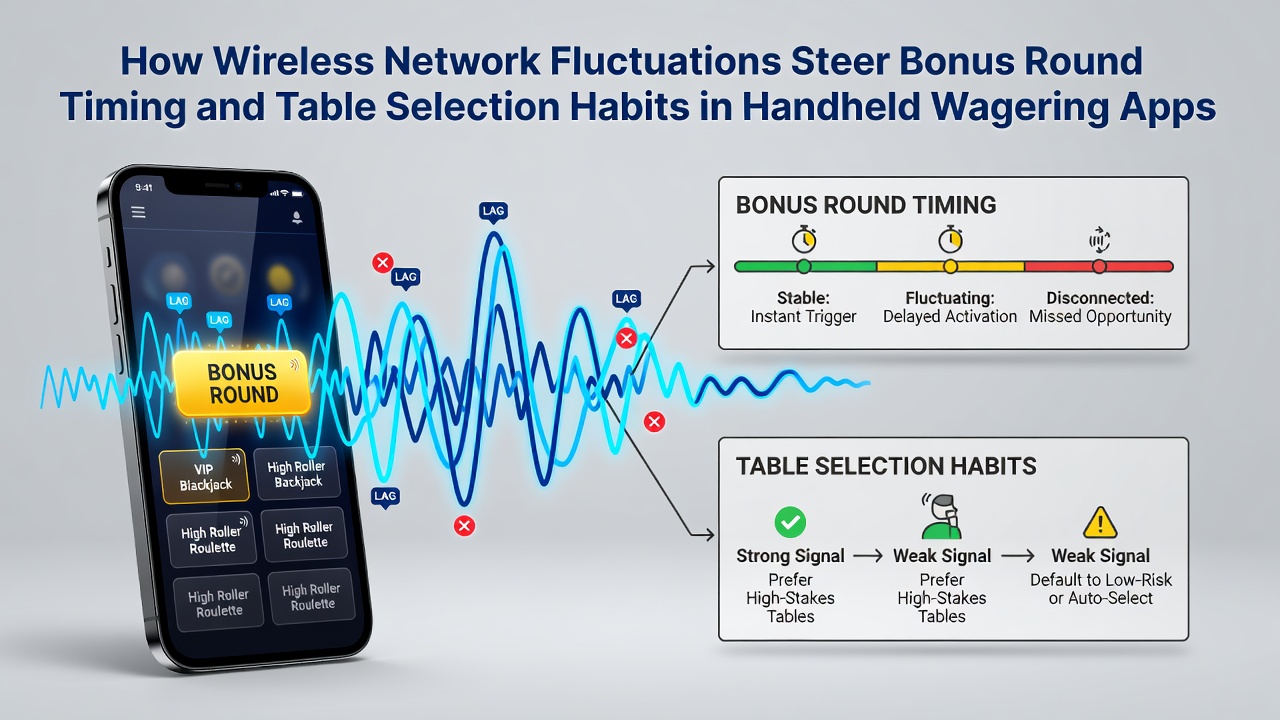
Wireless network fluctuations create measurable shifts in how users interact with bonus features and table options inside handheld wagering applications, and data from multiple monitoring platforms confirm these patterns across different regions. Signal strength variations often delay the loading of bonus round animations or multiplier calculations, which in turn pushes players toward selections that require fewer real-time server calls. Industry tracking conducted through September 2026 shows that connection drops of even two to three seconds correlate with changes in session duration and choice sequences.
Network Variability and Its Direct Effects on App Performance
Handheld devices rely on cellular and Wi-Fi handoffs that fluctuate based on location, tower load, and device movement, and these transitions produce latency spikes that interrupt the timing sequences required for bonus round triggers. Research compiled by the Federal Communications Commission indicates that urban areas experience more frequent micro-drops during peak commuting hours, while rural zones show longer sustained low-signal periods. App servers must resynchronize after each interruption, and this process alters the exact moment when a bonus round becomes available to the user.
Those who track session logs report that bonus features requiring immediate server confirmation tend to activate later when signal bars drop below a certain threshold. Players then encounter staggered timing that feels inconsistent compared to stable connections, leading them to adjust their next actions within the same session.
Changes in Bonus Round Timing Under Variable Conditions
Bonus rounds in many handheld titles depend on precise synchronization between the device and remote servers, yet network jitter extends the interval between trigger and display. Studies from the University of Nevada Reno gaming technology laboratory have documented that average bonus activation delays increase by 1.8 seconds when signal strength falls from four bars to two bars. This delay prompts users to either wait through the lag or abandon the current game and open a different title that loads its features with less server dependency.
September 2026 telemetry from several major platforms revealed clusters of players completing fewer bonus sequences on days when regional network congestion peaked. The data further showed that users who experienced repeated timing shifts reduced their overall bonus participation rate by measurable percentages within the same week.
Table Selection Patterns Shift With Connectivity Stability
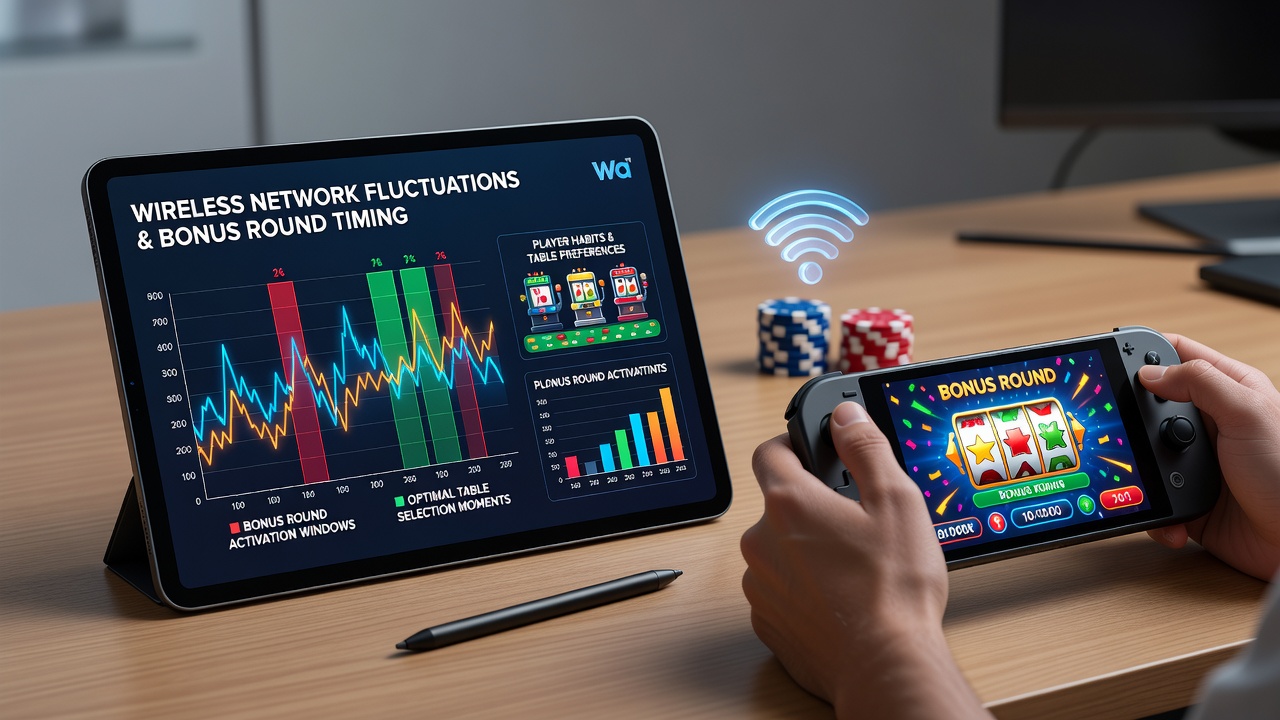
Live dealer and multiplayer table interfaces demand continuous low-latency streams, and fluctuating connections steer users toward tables with simpler graphics or single-player modes. Observers monitoring choice logs note that individuals often migrate from high-interaction tables to automated versions when packet loss exceeds three percent. This migration happens within minutes of the first noticeable lag, and the pattern repeats across different app versions.
Canadian regulatory filings from the Alcohol and Gaming Commission of Ontario have referenced similar behavioral adjustments in mobile sessions where connectivity metrics were cross-referenced with player selections. Tables that require frequent updates for card reveals or chip movements see reduced occupancy during periods of known network instability.
Developer Responses and In-App Adjustments
Application developers have introduced adaptive loading sequences that detect signal quality before presenting bonus options or table lists, and these mechanisms reduce the frequency of interrupted sequences. Reports from the Australian Communications and Media Authority highlight that optimized apps maintain higher completion rates for bonus features even under moderate signal variation. The adjustments include pre-caching certain assets and prioritizing table displays that need minimal data exchange.
Users who remain on fluctuating connections still exhibit altered habits, however, because the underlying timing differences persist regardless of interface tweaks. Platform analytics continue to capture these shifts through September 2026 and beyond.
Conclusion
Wireless network fluctuations produce consistent, trackable effects on bonus round timing and table selection within handheld wagering applications. Data from regulatory bodies, academic laboratories, and industry monitors demonstrate that signal variations directly influence when features activate and which options players choose next. These patterns hold across geographic regions and remain evident in session records collected through late 2026.